This Trans Day of Visibility: Celebrate Trans Asian Artists
Trans Day of Visibility was on March 31, and this year we’re celebrating by uplifting the voices, visions, and creative power of Asian trans and non-binary artists in our community! Across multiple mediums and identities, from tattooing to chainmail jewelry-making and song, learn more about these incredible artists and how they are shaping culture on their own terms.
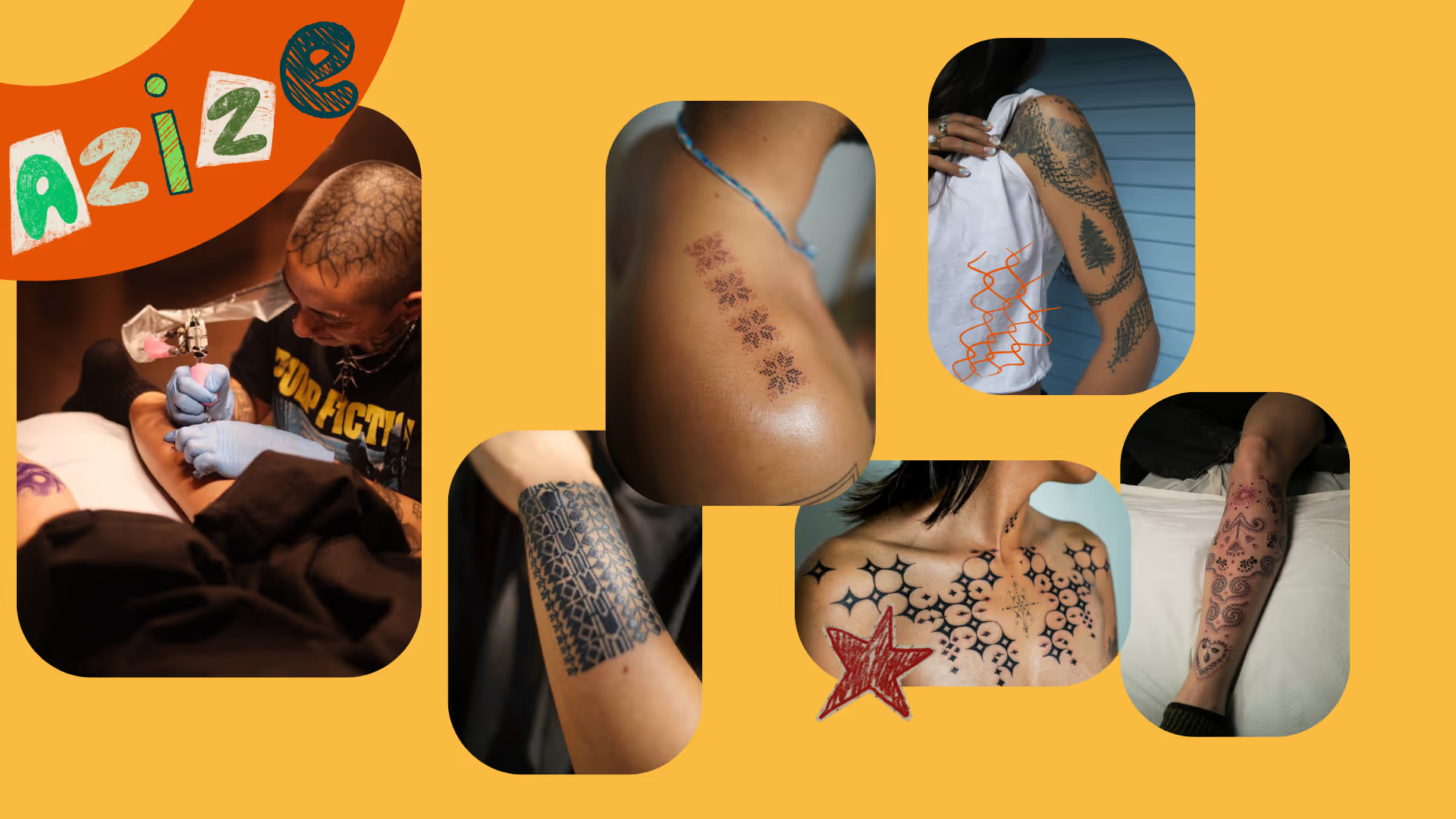
Azize Ngo
Azize Ngo (@trans.quility) is a Turkish and Vietnamese
self-taught tattoo artist whose work focuses on connection, collaboration, and care.
After being gifted their first machine in 2021 by their partner, they unknowingly embarked on an obsessive yet fruitful journey - developing a distinct style that spans across bold, graphic abstractions to contemporary interpretations of cultural iconography. Tattooing has directly shaped their evolution through transness by expanding their sense of self and helping them reclaim a loving relationship with their body.
Azize's approach to tattooing is refreshingly inclusive - offering sliding scales for QTBIPOC and regular pop up tattoo events to fundraise for mutual aid. While working, they are often listening to 90's trip hop, KMHD (PDX jazz radio station), or synthesizer music made by queer and trans women. In their free time, Azize loves listening to their growing vinyl collection, cooking, reading, and embroidering.
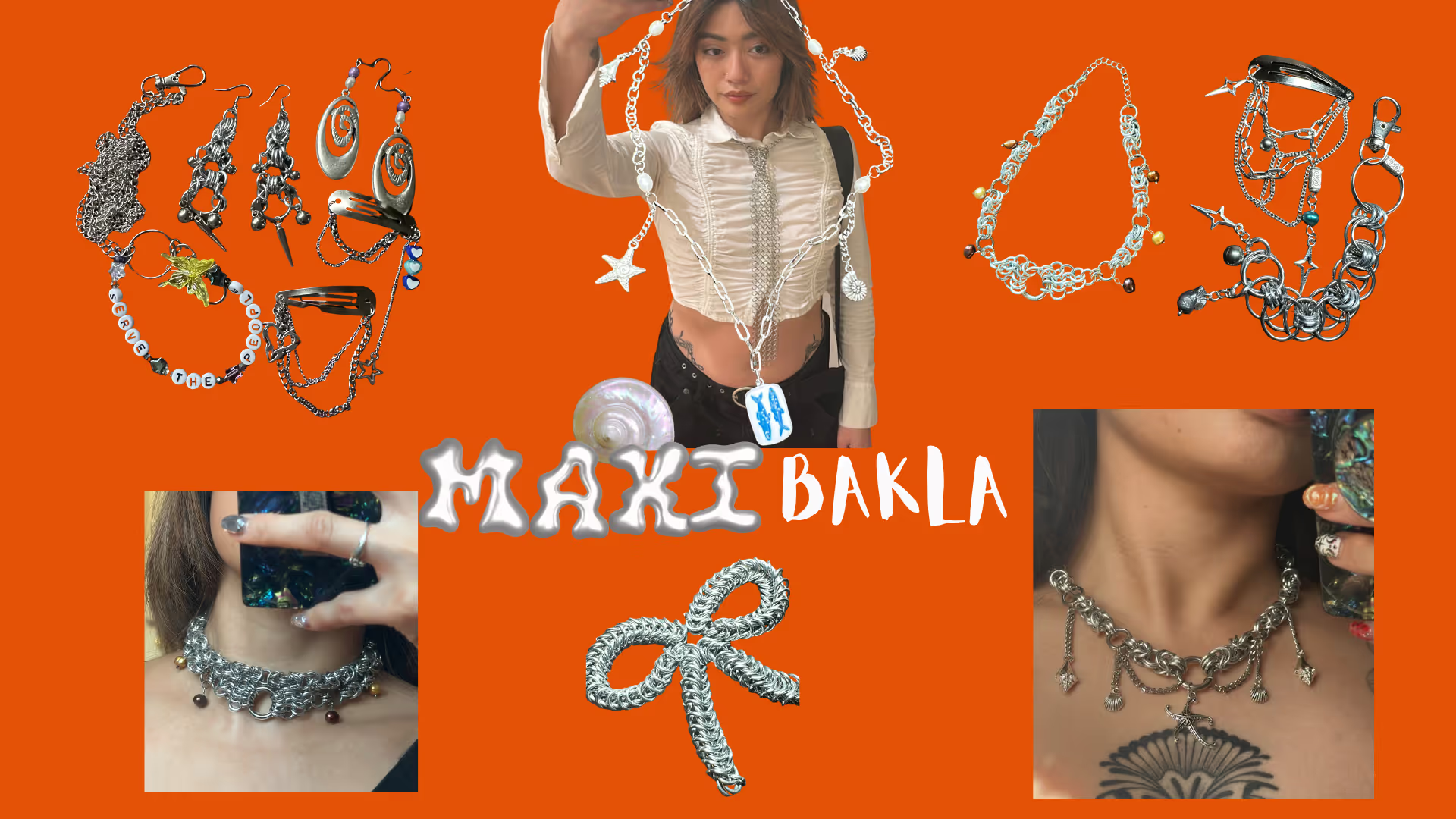
MAKI BAKLA
MAKI BAKLA (they/them) is a queer nonbinary Filipina Japanese creator who designs chainmail jewelry for a cause. Their name draws from the Filipino word "Makibaka" meaning "resist" or "fight" and "Bakla" in this context referring to queerness and gender nonconformity, echoing the revolutionary battlecry, "Makibaka! Huwag matakot!" or "Fight! Do not be afraid!"
Their art is inspired by the Philippines’ vibrant biodiversity and the layered, contrasting aesthetics of Manila. They combine unexpected materials such as steel chains and freshwater pearls to explore themes of duality and identity. Their art reflects their experience as a nonbinary migrant, existing between genders and places, and serves as a love letter to their homeland.
They began working with chainmail during a period when the Philippines was struck by multiple earthquakes and typhoons that displaced over a million Filipinos. In response to the limited government support due to widespread corruption, they dedicate all donations from their work to community-led rehabilitation efforts (bayanihanresponse.org)
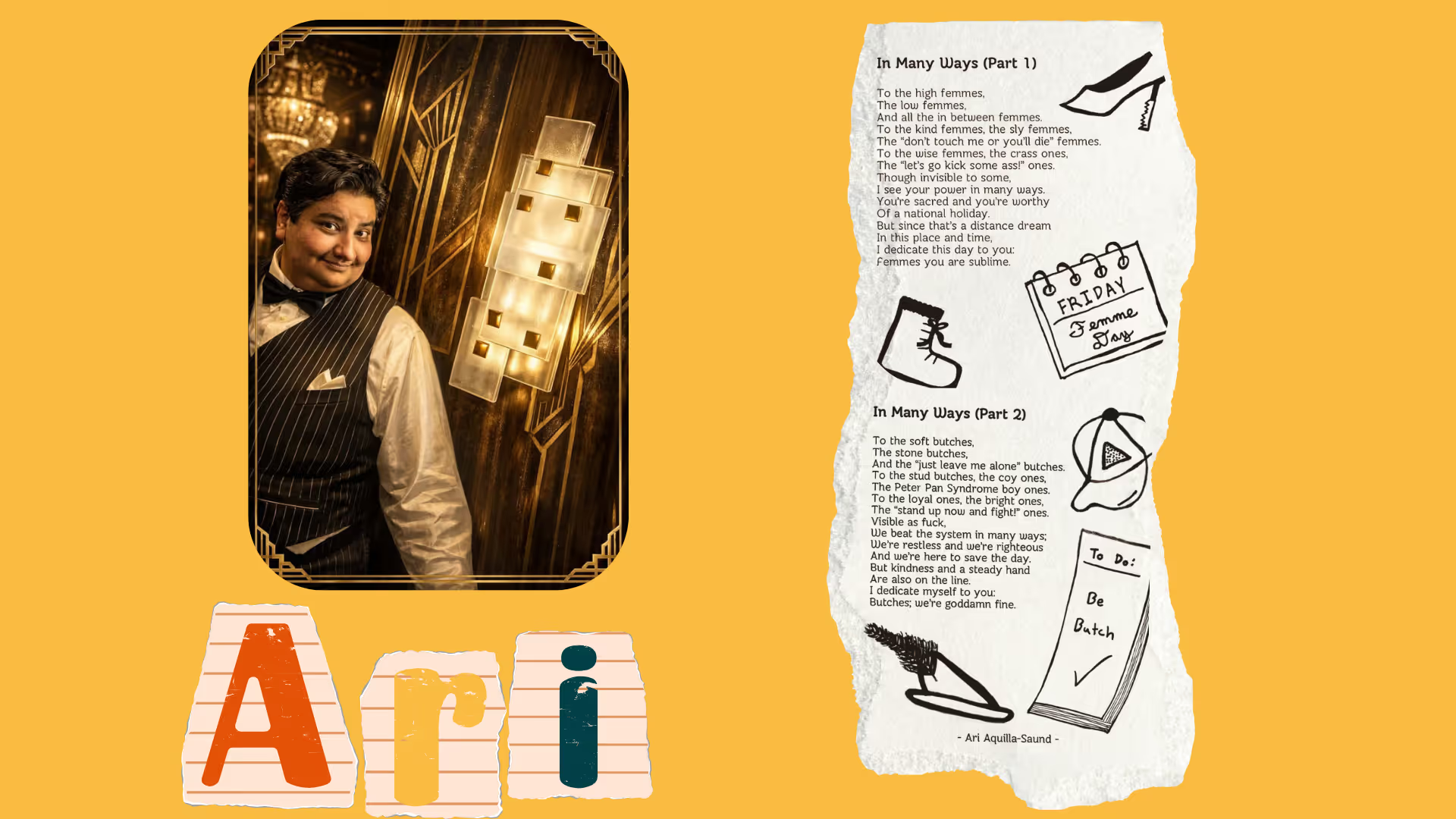
Ari Aquilla-Saund
Ari Aquilla-Saund is a playwright, poet, emcee, and actor based in Portland. They collaborate frequently with Pacific Northwest organizations; some include Oregon Contemporary Theatre, APANO/AMP, Fat Con Seattle, DesiFest Eugene, Body Home Fat Dance, Stomping Grounds Arthouse, and Profile Theatre.
Ari’s relationship to queerness and transness is ever evolving, and they’re grateful to have grown up in communities that affirmed it. They consider themselves second generation queer, shaped by those who came before them. Outside of their art, they work as a healthcare provider, where gender affirming care is deeply important to them. They’re proud of the gender diverse community here in PDX and remain committed to keeping us safe and supported. Their illustrated poetry reflects the love and care they hold for their queer kin, especially their fellow South Asian transgender community.
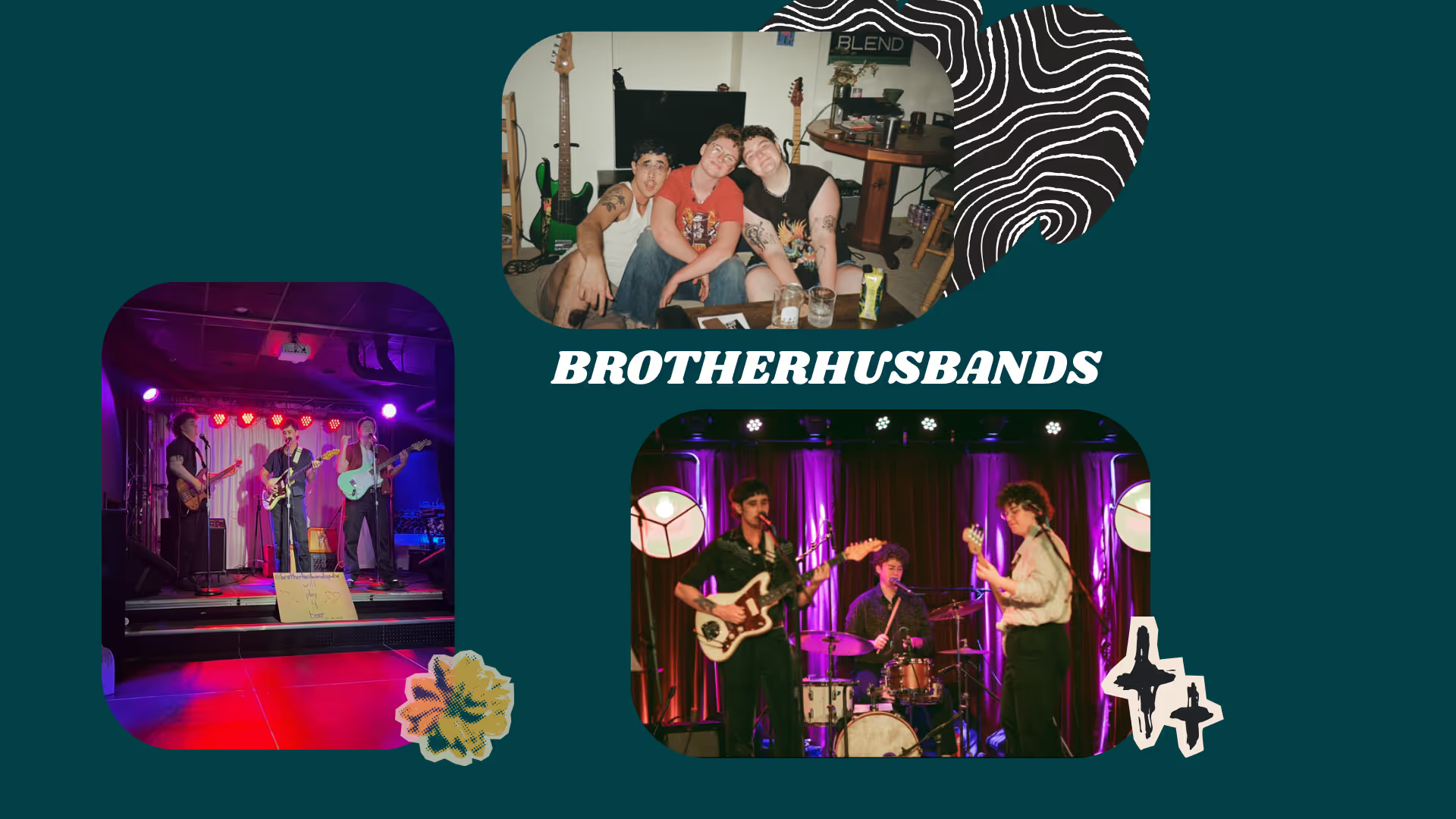
BROTHERHUSBANDS
BROTHERHUSBANDS was created by three friends who wanted to share their love for each other far and wide. Three friends who found so much joy in music individually, that when they first jammed together, it all fell in place.
They’re as close as brothers, but only two of them are men. They’re as devoted to each other as husbands. They’re so underground, their music can’t even be streamed. You can only be a fan of BROTHERHUSBANDS if you’ve seen them live - and they do hope that you will. Playing genre-less music that sounds something like Weezer doing a Britney Spears cover, they hope that you find as much joy and silliness in their music as they had creating it. You could probably find them playing a mutual aid fundraiser or opening for drag queens at a bar.
.avif)